Australia is widely recognised as the most fire-prone continent on Earth. Yet the complex and dynamic interconnection between fire,...
Alarming Trends for Fire and Biodiversity
The NSW Environment Protection Authority (EPA) has released its State of the Environment Report for 2024/25, providing an updated...
Understanding Fuel… and Fire Behaviour
The Nature Conservation Council of NSW and the NSW Rural Fire Service, as part of the Hotspots Fire Project,...
NCC Bushfire Conference 2023
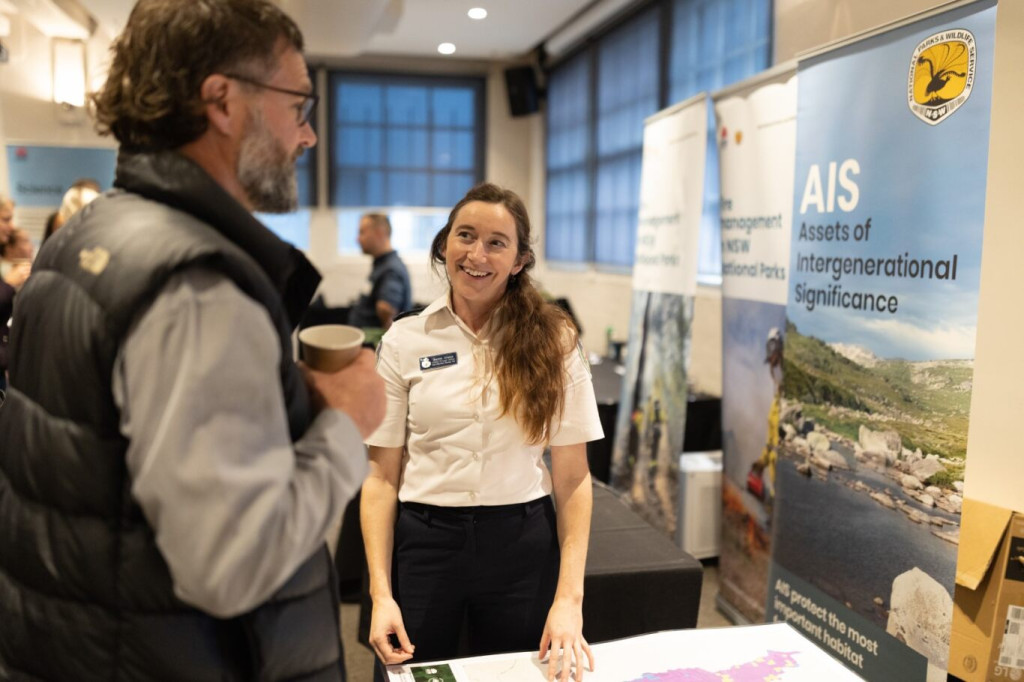
NCC’s 13th biennial Bushfire Conference, “Managing Bushfire Together: Applying science, skills and stories”, took place on the 24-25th May,...
Measuring Soil Health & the Impacts of Fire
Would you like to measure multiple aspects indicating the health of your property’s soil, without spending a fortune on...
La Niña and grass fires – should we be worried?
The Climate Council is an independent organisation which uses the latest science on climate to help tackle one of...
An Introduction to Citizen Science
Citizen science databases can be an excellent tool for getting to know the flora and fauna present within your...
Climate, Fire and Biodiversity webinar series
The Threatened Species Recovery Hub hosted a four part webinar series in August/September (2020) on climate, fire and biodiversity....
Ever wonder what the top bushfires myths commonly believed throughout society are? Created by the Climate Council just before the 2018 bushfire season, this relevant guide clarifies how a changing climate influences wildfires and the impacts they could have on you. Download your guide here.