This spring, the Bush Fire and Natural Hazards Research Centre (BNHRC), completed their first research project, examining how fire...
Useful links for Resources page
The Program Building Community and Environmental Resilience
The National Firefighter Journal, a dedicated publication for personnel involved in fire fighting across Australia recently published an article...
Living in the gaps – the vital role of tree hollows
A Barking Owl (Ninox connivens) taking refuge in a hollow at South West Rocks. Photo by – Trevor Bullock...
Long-Term Impact of Cultural Burning and Shrub Cover
A recent study has revealed that Indigenous cultural burning practices halved shrub cover across south-east Australia thousands of years...
As Australians tracked from afar the devastation of the Los Angeles Palisades fires in January 2025 – including loss...
Koala Recovery in Southern NSW 5 years after Fires
An ABC short documentary from the broadcaster’s Landline series, “Koala Recovery: The sanctuary helping nature recover from bushfire”, highlights...
Measuring Soil Health & the Impacts of Fire
Would you like to measure multiple aspects indicating the health of your property’s soil, without spending a fortune on...
An Introduction to Citizen Science
Citizen science databases can be an excellent tool for getting to know the flora and fauna present within your...
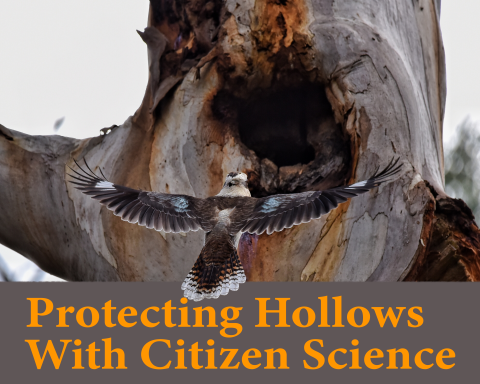
Protecting Hollows With Citizen Science
Around the country, communities are using the power of citizen science to help protect a highly ecologically valuable and...
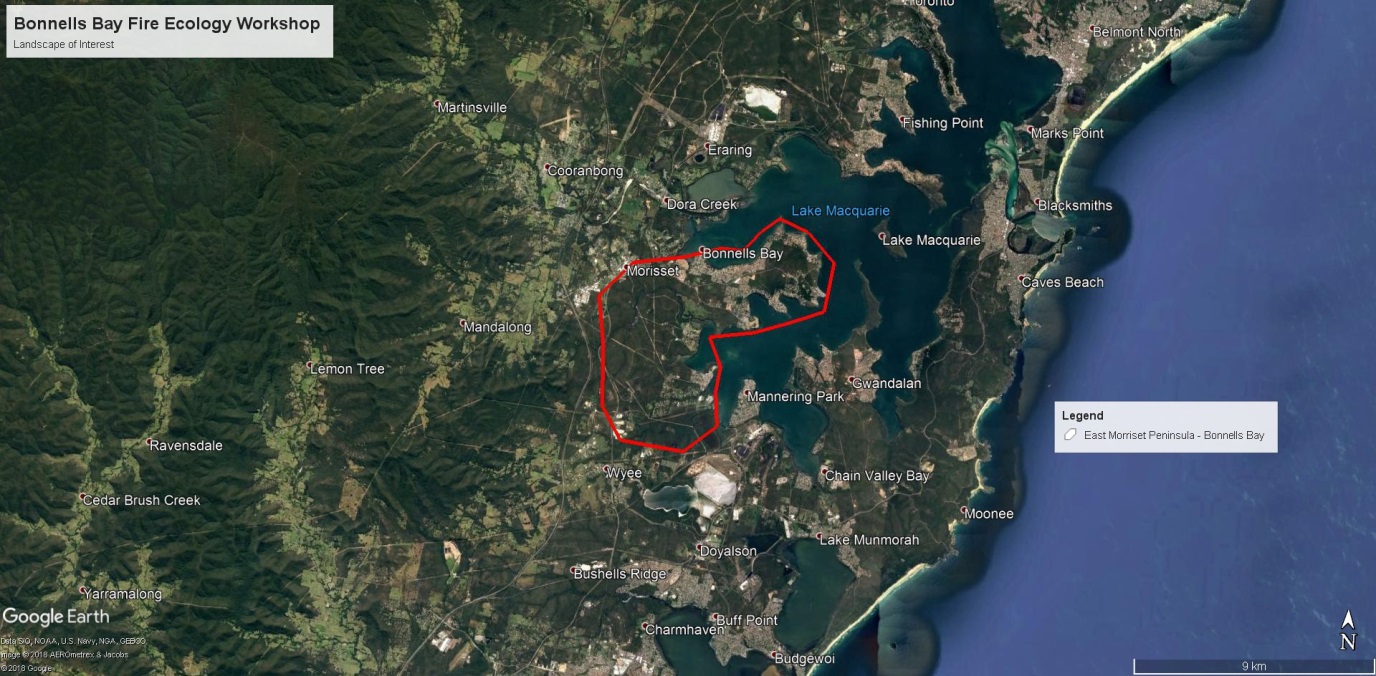
NCC ecologist, Mark Graham recently helped run a Fire Ecology Field Day at Bonnells Bay, Lake Macquarie. This transcript...
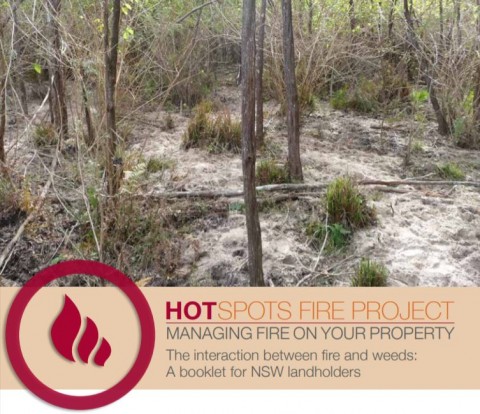
Fire and Weeds – Landholder Booklet from Hotspots
The Interaction between Fire and Weeds: A booklet for landholders in NSW This booklet is a welcome addition to...
Fire interval guidelines – what’s missing? In this video from NCC’s 2013 Bushfire Conference Dr Belinda Kenny (NSW National Parks and...
This blog is maintained by Bronwyn Hradsky, of University of Melbourne’s School of Ecosystem and Forest Sciences. The blog...
- Some studies show that more plant and animal species live in landscapes with a high diversity of fire histories, while others show no such relationship.
- The variation in fire regimes that will promote plant and animal conservation depends on the type of ecosystem.
- Fire management will be most effective when it is guided by local knowledge of plants, animals and and the habitats they depend on.